
The future of audio: from wireless speakers to spatial sound
Sound has always been more than what we hear — it shapes how we experience the world. As technology evolves, audio is moving beyond simple playback to create experiences that feel immersive, adaptive, and personal.
Cutting the cords
Wireless audio changed everything. By removing the need for cables, music became portable in a way that was seamless. From compact earbuds to room-filling speakers, connectivity through Bluetooth and Wi-Fi brought high-quality sound into every moment without compromise.
Smarter sound
Audio devices are no longer passive. Modern speakers and headphones adjust automatically to their environment — boosting clarity in noisy spaces, fine-tuning EQs to match your preferences, and even learning your listening habits. The result: sound that adapts to you, not the other way around.
Spatial experiences
The next frontier is spatial audio — sound that doesn’t just surround you but places you inside the experience. By simulating movement and depth, spatial audio turns a playlist into a performance and a movie soundtrack into a three-dimensional landscape. It’s sound that feels alive, dynamic, and closer to reality.
Design meets function
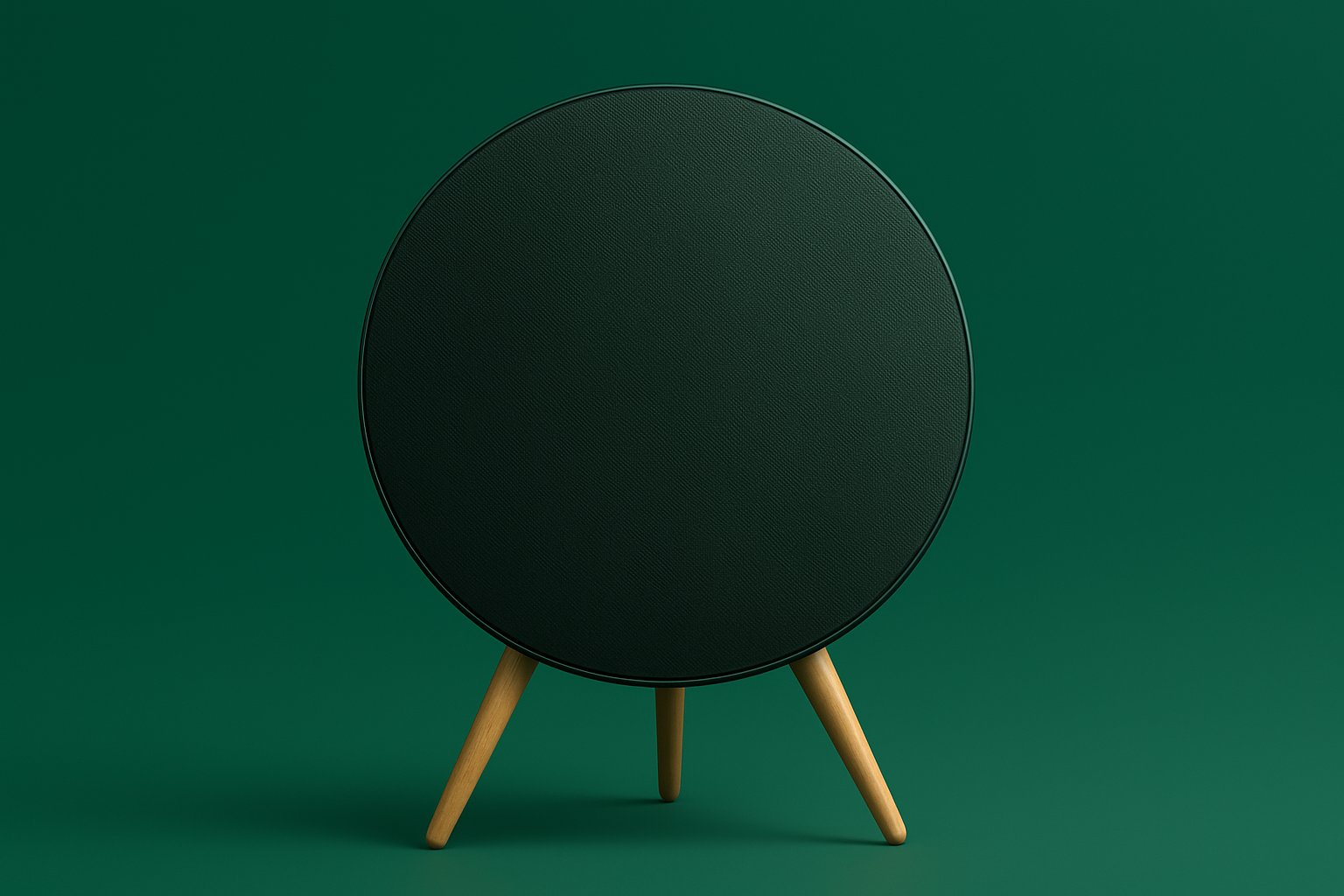
As the technology grows more advanced, the hardware is getting simpler. Minimalist wireless speakers, lightweight earbuds, and headphones designed for all-day wear show that the best design is invisible. The future of audio isn’t about showing off the device — it’s about forgetting it’s there.
What’s next
Tomorrow’s audio will be even more personal. Think adaptive spatial sound that shifts with your head movement, speakers that learn the acoustics of your room in seconds, and earbuds that double as health monitors. The line between technology and everyday life continues to blur — and sound is leading the way.